
In-Depth Leather Production Process at TANNARK
At TANNARK, our leather goods production integrates traditional craftsmanship with modern technology to deliver high-quality, consistent, and scalable products. Here’s a detailed look into how we turn raw leather into premium jackets, gloves, biker suits, and more:
Design & Product
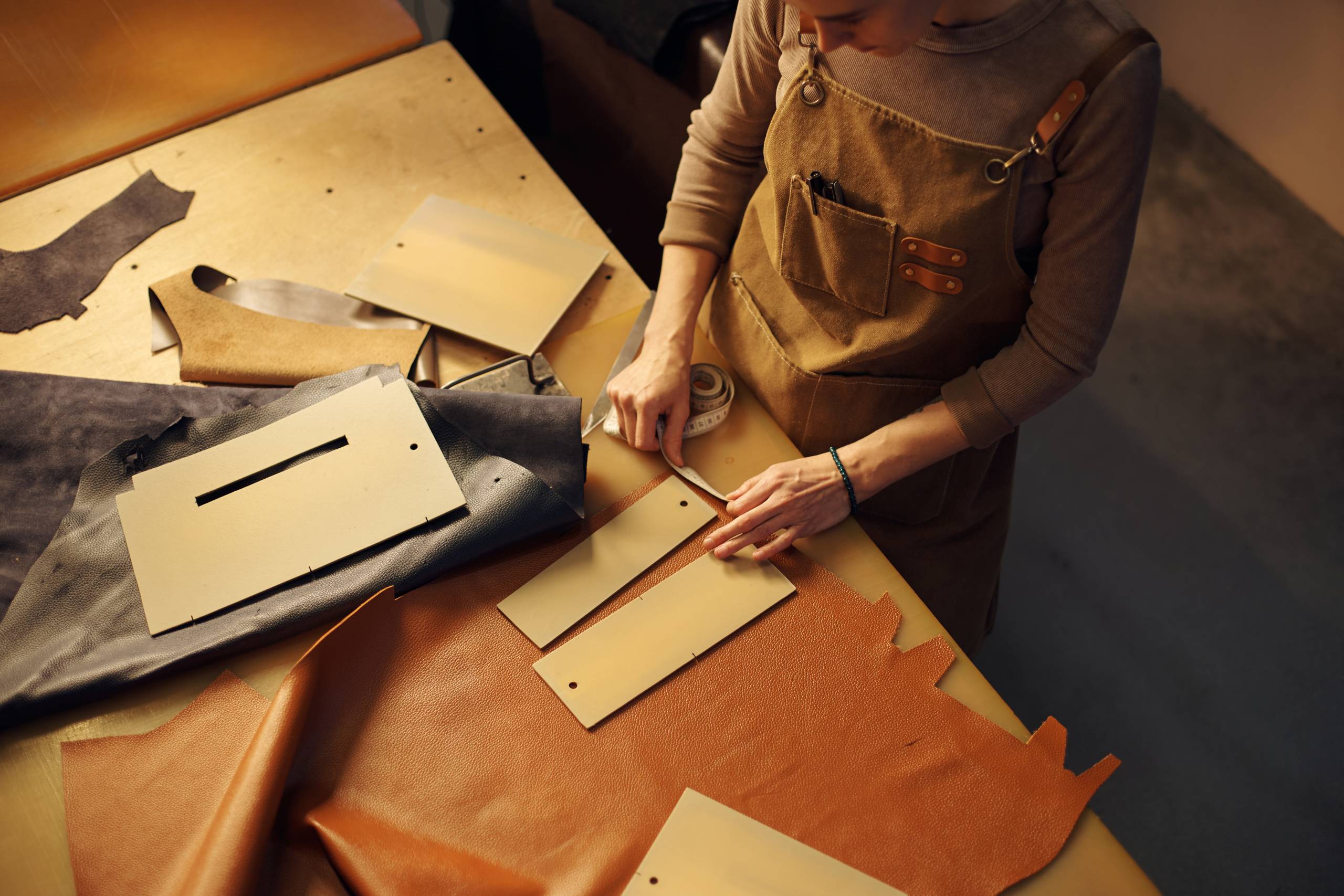
Person wearing apron working on leather pieces on workbench, using tools and templates for precision Crafting handmade leather accessories with attention to detail and skill in workshop
Sketching & Conceptualization
- Our creative team begins with hand-drawn sketches or digital concepts provided by clients.
- We analyze trends, client specifications, and functional needs to finalize the product design.
CAD (Computer-Aided Design) Processing
- Designs are transferred into CAD software (e.g., AutoCAD, Gerber, Optitex) for precision pattern-making.
- CAD allows:
- Exact measurement adjustments
- Virtual fitting and modifications
- Pattern grading for different sizes
- Efficient marker making to minimize leather waste
DIY (Design Your Idea) / Prototyping
- Using CAD patterns, we create sample prototypes or DIY models to test fit, comfort, and style.
- Prototypes undergo internal review and client feedback for adjustments before bulk production.
Material Preparation
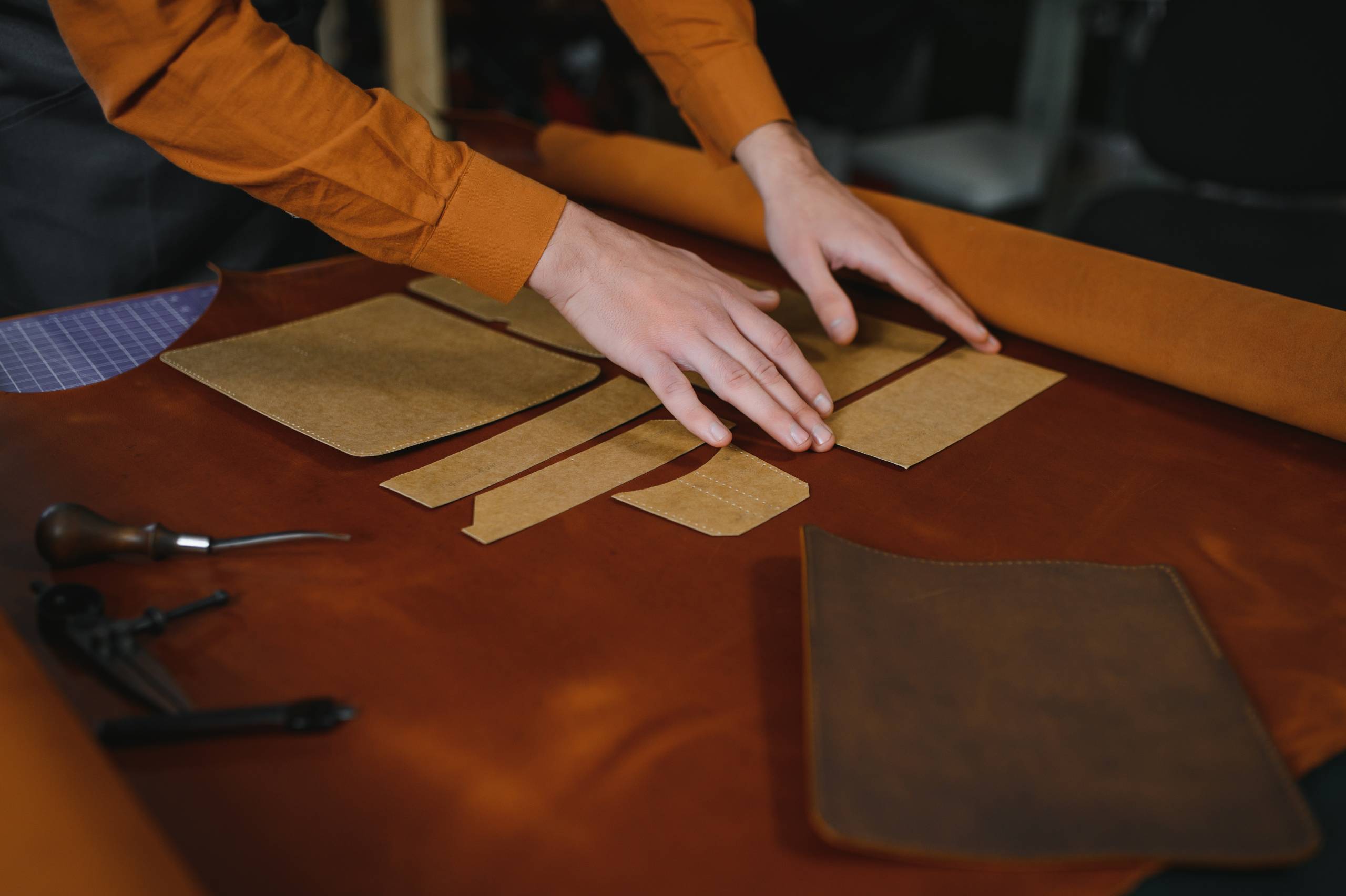
Tailor cobbler hold different rolls natural brown leather, working with textile in workshop. Concept banner Industrial professional craftsman master.
Leather Selection & Inspection
- Raw hides are inspected for defects, thickness, grain quality, and color consistency.
- Only hides meeting strict quality criteria proceed to cutting.
Cutting Process
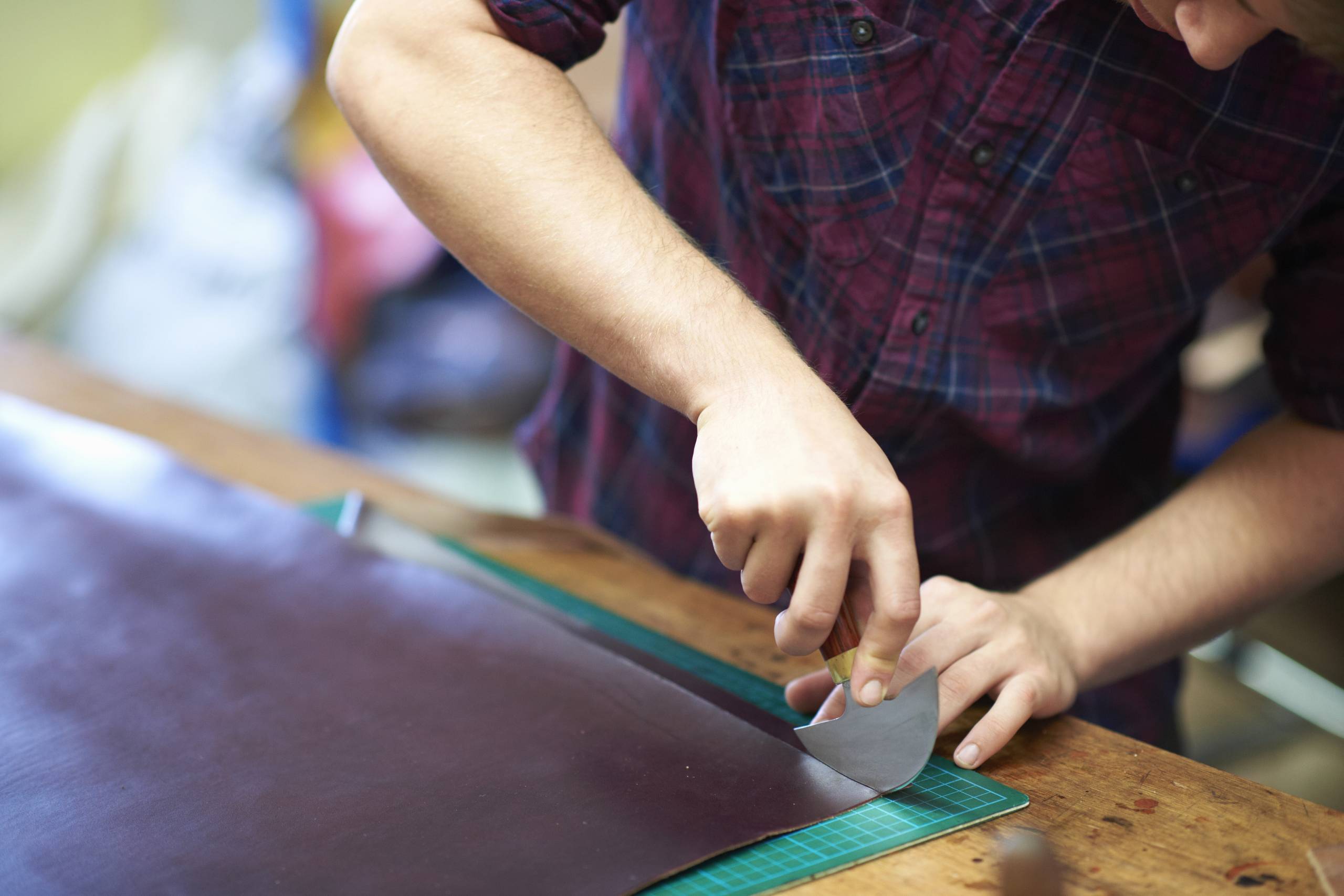
Manual Cutting Tools
- For small batches or delicate pieces, expert cutters use hand-held rotary knives, leather shears, and scalpels for precision.
Machine-Assisted Cutting
- For bulk orders, we use clicker presses with metal dies to cut multiple layers accurately and quickly.
- Automatic cutting machines (like Gerber or Lectra systems) use CAD files to cut complex shapes with laser or blade precision, reducing waste and increasing speed.
Skiving & Edge Preparation
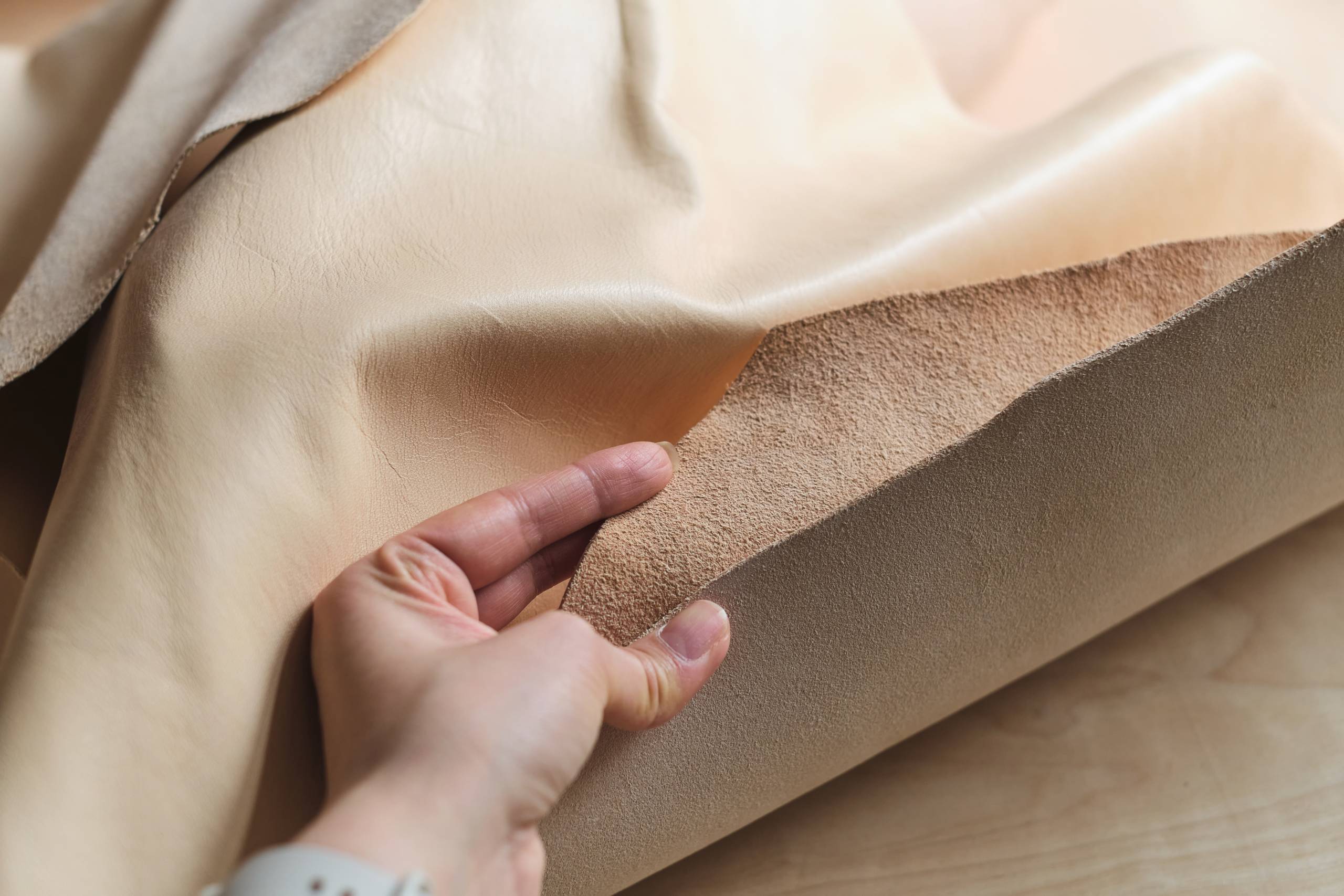
Edges of leather pieces are skived (thinned) using manual skiving knives or electric skivers to ensure smooth seams and reduce bulk.
- This step is crucial for comfort, especially on collars, cuffs, and gloves.
Assembly & Stitching
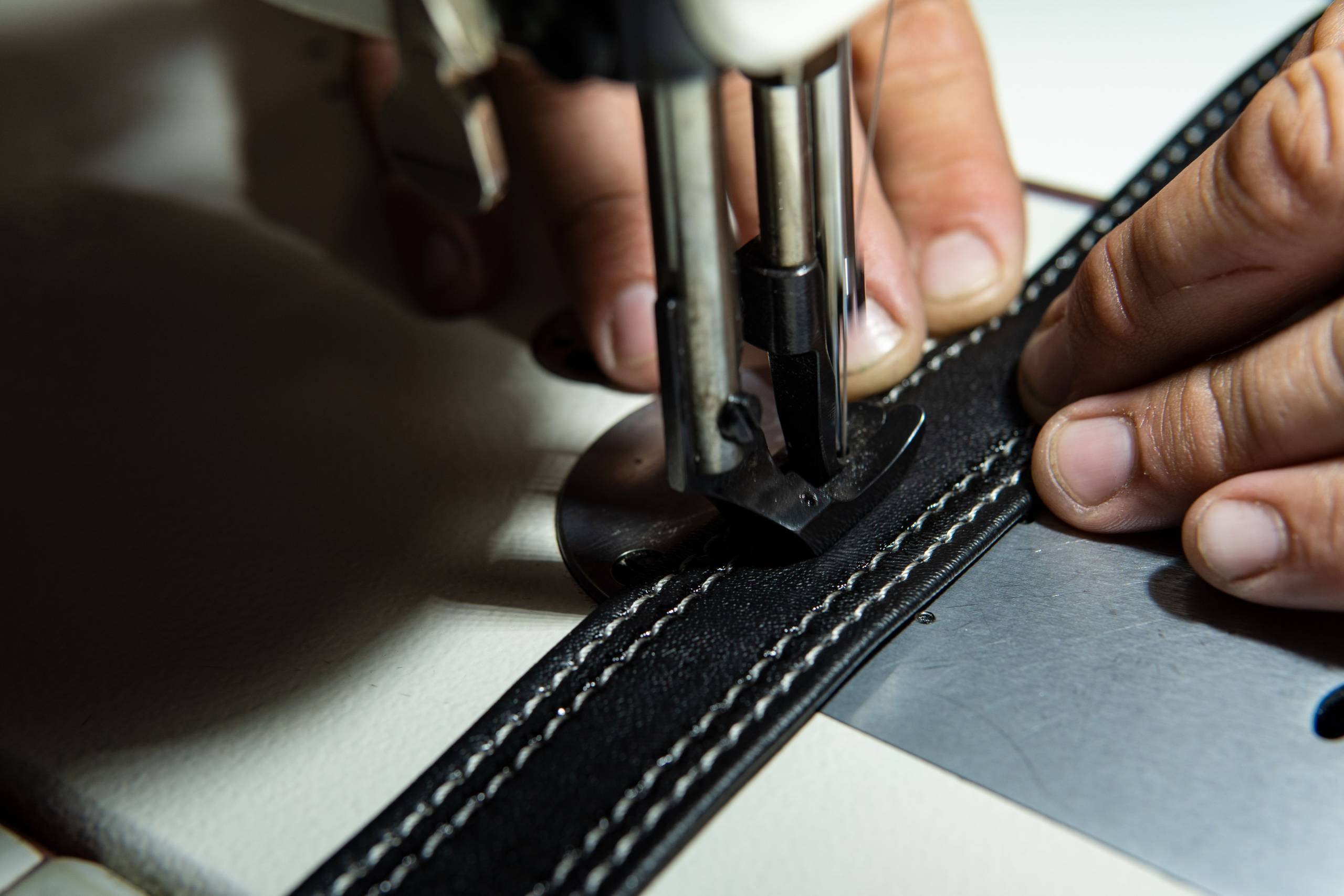
Stitching Machines
- We use a range of industrial sewing machines suited for heavy leather:
- Cylinder-bed machines for tubular or round parts (like gloves).
- Flat-bed machines for larger flat surfaces (jackets, pants).
- Post-bed machines for precise detail work.
- Machines include brands like Consew, Juki, and Pegasus, renowned for reliability and strength.
Hand Stitching
- Certain parts requiring finesse, like decorative topstitching or bespoke repairs, are done by skilled artisans using hand-sewing techniques.
Hardware & Finishing
- Hardware components (zippers, buckles, snaps) are installed using specialized pressing machines and manual tools to ensure durability.
- We use YKK zippers and rust-proof metal hardware preferred in European markets.
Quality Control
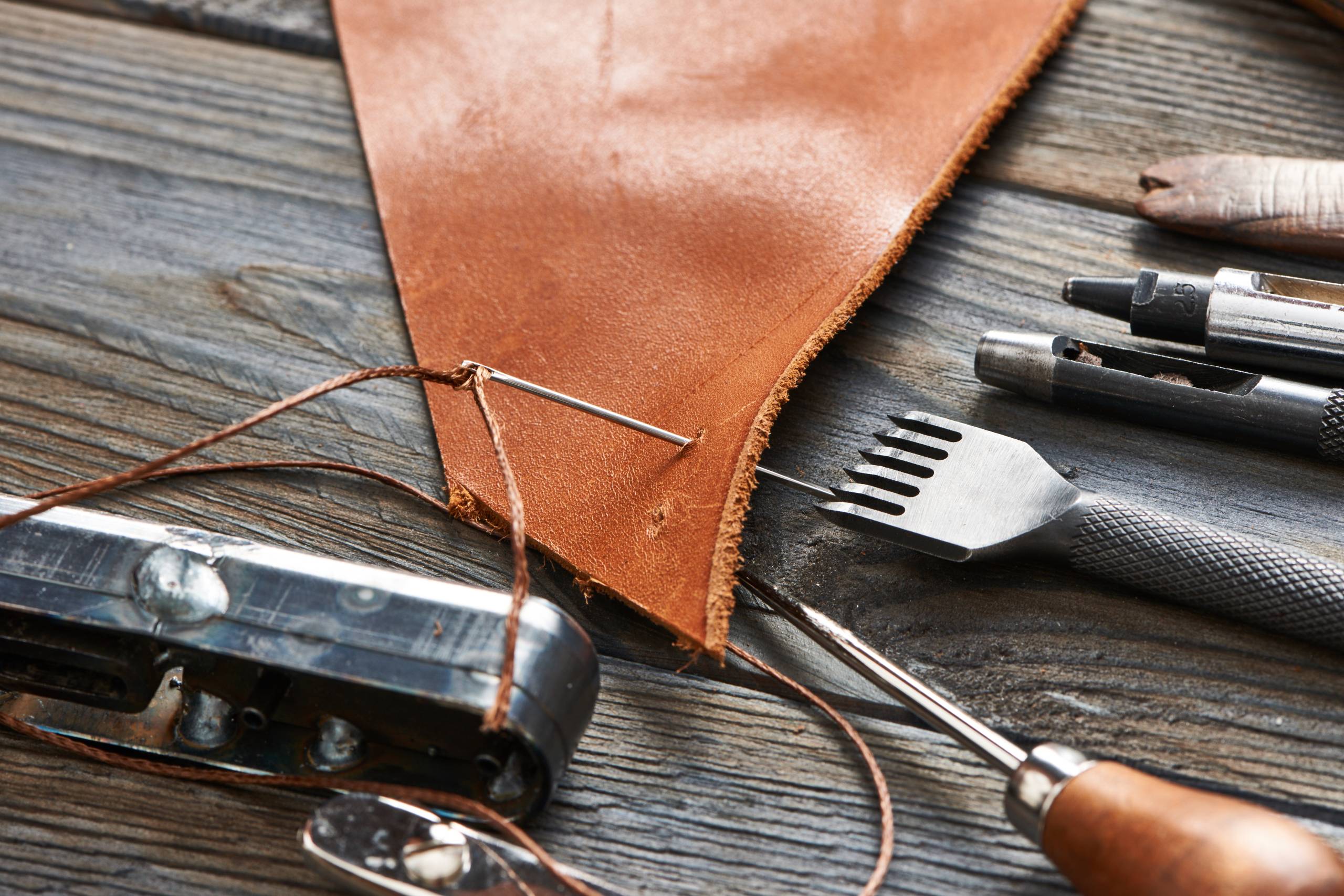
- Post-assembly, each product undergoes a multi-stage QC process:
- Stitching strength and seam integrity tests
- Color and finish inspection under natural light
- Fit and comfort evaluation (samples tested on mannequins or models)
- Packaging inspection to prevent damage during transit
Packing & Shipping
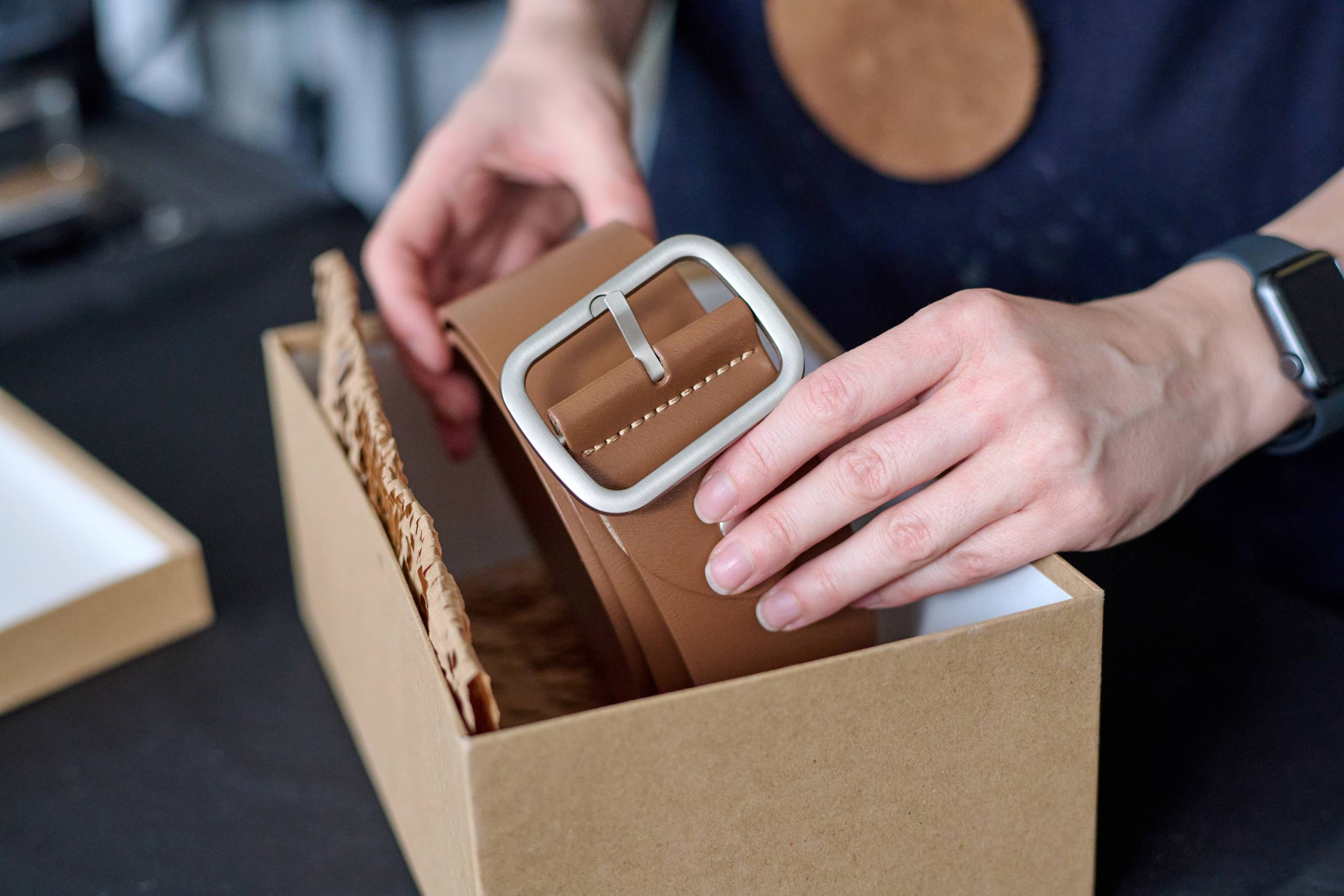
Finished goods are packed in protective, eco-friendly materials.
- Bulk orders are palletized or boxed according to client instructions for safe export.
Technology & Tools Summary
| Process | Tools & Machines | Purpose |
| Design & CAD | AutoCAD, Gerber, Optitex | Accurate pattern making, marker efficiency |
| Cutting | Rotary knives, Clicker presses, Laser cutters | Precise shape cutting, bulk processing |
| Skiving | Manual knives, Electric skivers | Edge thinning for smooth seams |
| Stitching | Industrial sewing machines (Consew, Juki) | Durable stitching for heavy leather |
| Hardware fitting | Press machines, manual tools | Secure attachment of zippers & buckles |
| Quality control | Visual, tactile inspection tools | Ensuring product durability & appearance |
| Packaging | Eco-friendly materials, customized boxes | Protection & branding during shipping |
Why This Matters for You (B2B Buyers)
- Precision & Consistency: Advanced CAD and cutting tools reduce errors and waste, lowering costs.
- Scalability: Automated and manual processes combined enable orders from hundreds to thousands of units.
- Quality Assurance: Skilled artisans and rigorous QC ensure every product meets your standards.
- Customization: Flexible tooling and prototyping allow private label customization quickly.