Certified. Sustainable. Crafted for Performance.
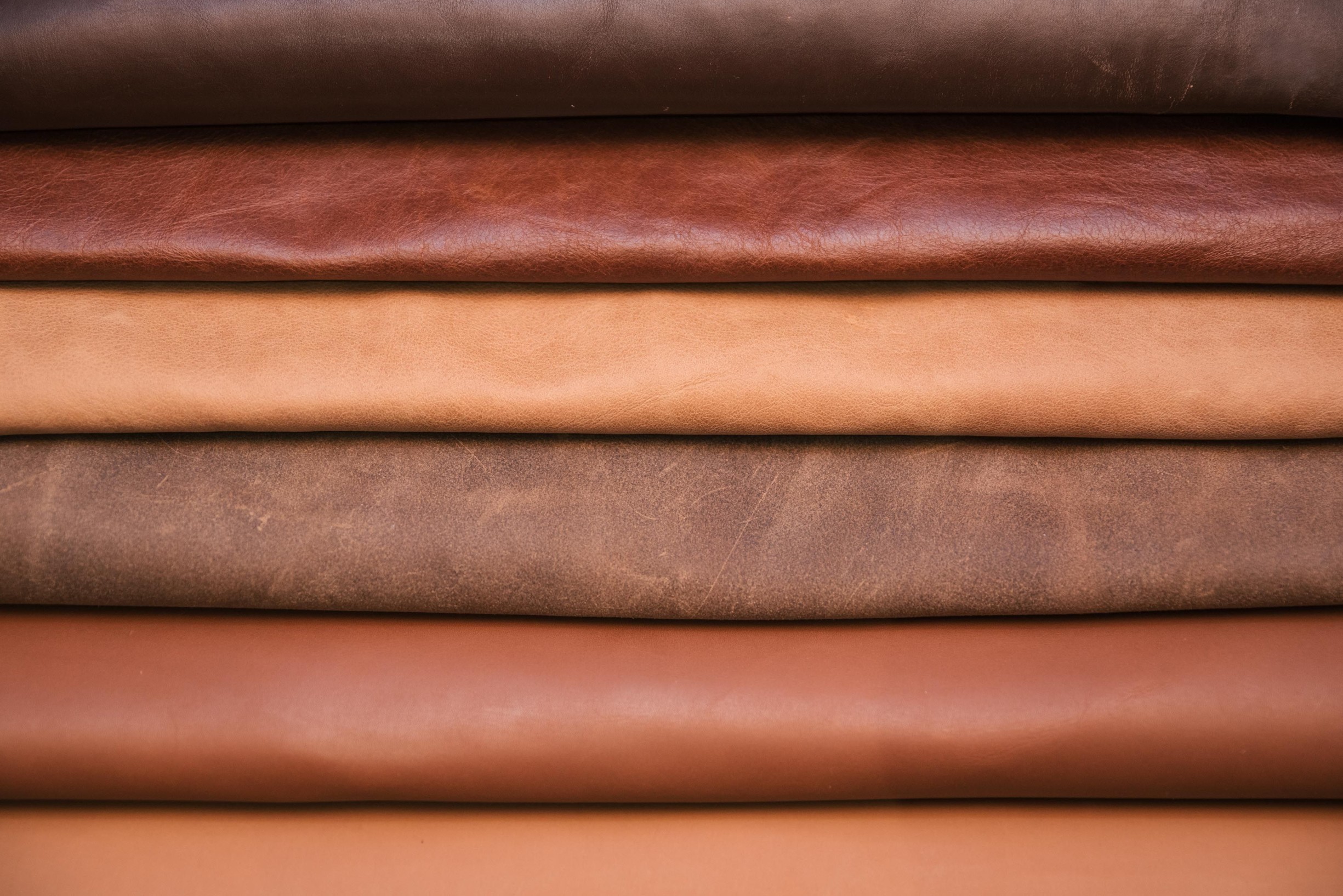
At TANNARK, we work with a carefully curated selection of natural leathers, each chosen for its unique properties — including grain structure, durability, flexibility, and visual appeal. Our leather sourcing focuses on quality, sustainability, and safety, ensuring that every piece meets the functional and aesthetic needs of your brand.
All our leather is sourced from certified tanneries in Pakistan that follow ethical and sustainable practices, including wastewater treatment, energy efficiency, and responsible hide sourcing. Additionally, chrome-free leather options are available upon request, offering a more eco-conscious alternative without compromising on quality.
Here’s a closer look at the primary types of leather we use in our manufacturing process:
Cowhide Leather
Durable. Structured. Timeless.
Cowhide is the most commonly used leather in our production — and for good reason. It is known for its firm grain structure, exceptional strength, and long-lasting wear. Cowhide holds its shape well, making it ideal for structured garments and high-impact applications.
-
Texture: Medium to firm grain, smooth or pebbled finish
-
Weight: Medium to heavy
-
Uses: Leather jackets, motorcycle suits, gloves, belts
-
Features: Highly durable, resistant to wear and tear, ages well
Cowhide is perfect for products that need to combine functionality with a classic, rugged look. It’s the top choice for biker wear due to its excellent abrasion resistance.
Sheepskin Leather
Soft. Lightweight. Breathable.
Sheepskin is prized for its light weight, supple texture, and natural breathability, making it a favorite in the fashion and luxury segments. Despite being softer than cowhide, it still offers solid durability and insulation.
-
Texture: Smooth, velvety, luxurious
-
Weight: Light
-
Uses: Fashion jackets, women’s outerwear, lined gloves
-
Features: Soft to touch, insulating properties, excellent drape
Ideal for high-end outerwear collections, sheepskin combines comfort with sophistication, offering wearers a luxurious feel without the weight.
Goatskin Leather
Tough. Flexible. Naturally Textured.
Goatskin offers a perfect balance between durability and flexibility. It has a naturally pebbled grain and high tensile strength, making it suitable for garments that need to move with the wearer — such as pants and gloves.
-
Texture: Natural grain with fine wrinkles
-
Weight: Light to medium
-
Uses: Leather gloves, riding pants, workwear
-
Features: Flexible, durable, water-resistant, economical
Goatskin is ideal for products that require both softness and resilience, especially for high-mobility or close-fitting leather gear.
Buffalo Leather
Heavy-Duty. Rugged. Coarse-Grain.
Buffalo leather is thicker and stronger than cowhide, with a distinctive coarse grain that gives products a rugged, vintage look. It has high resistance to tearing and abrasions, making it ideal for outdoor and heavy-duty apparel.
-
Texture: Coarse, uneven natural grain
-
Weight: Heavy
-
Uses: Rugged jackets, travel bags, protective wear
-
Features: Very strong, long-lasting, resistant to rough use
We recommend buffalo leather for clients targeting military, tactical, or adventure gear markets due to its unmatched toughness and bold aesthetic.
Split Leather
Versatile. Economical. Functional.
Split leather is made from the lower layers of the hide, left after the top grain is removed. It’s more economical than full-grain leathers and is often used for internal components or lower-wear areas.
-
Texture: Smooth or suede-like, depending on finish
-
Weight: Variable
-
Uses: Jacket linings, glove interiors, secondary panels
-
Features: Affordable, soft, ideal for non-visible areas
While it isn’t as durable as top-grain leather, split leather is extremely useful in multi-layered constructions, especially for linings and interior elements that still need comfort and leather’s natural breathability.
Tested for Quality & Safety
Every type of leather we use is tested and approved according to EN ISO international standards for:
-
Thickness & tensile strength
-
Tear resistance & flexibility
-
Chemical safety (REACH compliance)
-
Finish adherence & colorfastness
Our internal QA teams inspect all incoming materials to ensure they meet our performance benchmarks and your brand’s quality expectations.
Chrome-Free Options Available
For clients seeking more sustainable and skin-safe alternatives, we offer chrome-free leathers — tanned using vegetable or synthetic tanning agents. These leathers are ideal for brands committed to:
-
Eco-conscious sourcing
-
Reducing heavy metal use
-
Offering hypoallergenic products
-
Promoting biodegradable materials
Chrome-free leather still delivers on durability and appearance but aligns better with green manufacturing practices and ethical fashion movements.
Final Thoughts: The Right Leather for the Right Product
At TANNARK, our deep understanding of leather enables us to guide you in selecting the right type based on your product goals, customer segment, and price point. Whether you’re producing rugged biker gear or luxury fashion jackets, we ensure your leather is:
-
Certified and ethically sourced
-
Matched to performance needs
-
Tested and compliant with global standards
-
Finished with precision and care
With access to this wide range of leathers, you get the freedom to create truly customized products — tailored to your market, and built to last.